Understanding Containerized Water Treatment Systems
In an era where access to clean water is a growing concern across the globe, containerized water treatment systems are becoming increasingly vital. These innovative solutions offer a flexible and efficient way to provide safe drinking water, adapting seamlessly to various uses—from municipal services to industrial applications and even in remote areas. By integrating advanced technologies with modular designs, these systems can be rapidly deployed anywhere in the world, irrespective of the incoming water quality. As a leading water treatment systems manufacturer, QILEE is at the forefront of this revolution, offering a unique blend of reliability, efficiency, and superior water quality.
What Are Containerized Water Treatment Systems?
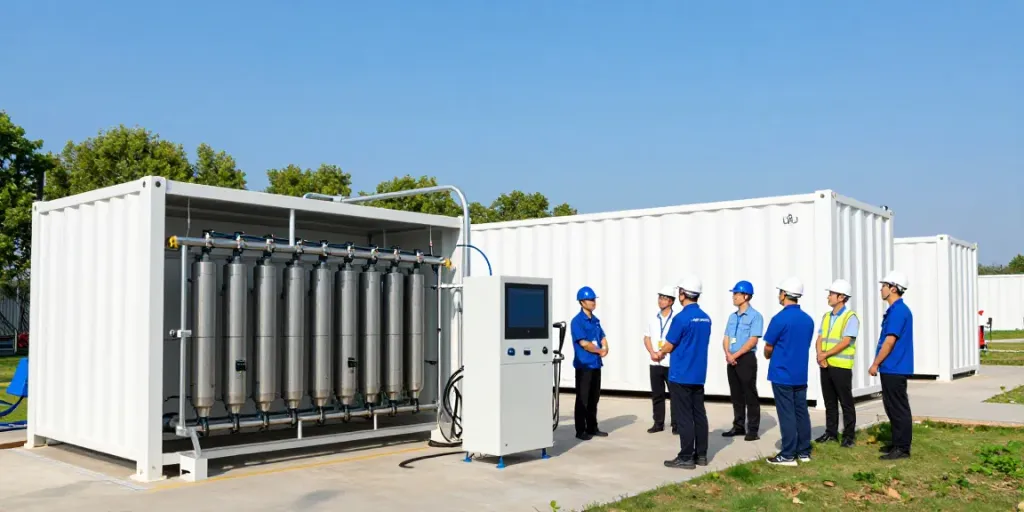
Containerized water treatment systems are pre-engineered solutions housed within standard shipping containers. These systems include all necessary components for effective water treatment processes, such as filtration, disinfection, and purification technologies. Unlike traditional systems that often require extensive civil engineering and on-site construction, containerized units can be delivered and operational in a matter of days. This makes them ideal for areas with urgent water needs or those subject to natural disasters.
Key Features of Modern Systems
- Modular Design: Containerized systems are easily scalable and customizable, allowing for adjustments based on local water quality and volume requirements.
- Quick Deployment: Assembling and setting up these systems takes between 3 to 7 days, which drastically reduces the time to operational status compared to traditional methods.
- Intelligent Control Systems: Advanced monitoring technologies enable real-time performance assessments and remote operation, enhancing operational reliability.
- High Reusability: With a reusability rate exceeding 90%, these systems can be easily relocated, making them suitable for dynamic operational needs.
Comparison: Containerized vs. Traditional Systems
When comparing containerized water treatment systems to traditional systems, several key differences emerge:
- Deployment Time: Traditional systems require 3 to 6 months for construction, while containerized solutions can be operational within days.
- Site Requirements: Traditional systems demand significant space for civil works, whereas containerized systems necessitate only a flat surface, saving up to 50% of floor space.
- Cost Efficiency: Lower upfront costs are associated with containerized systems due to reduced construction needs and faster deployment.
- Quality Control: Containerized systems can undergo factory prefabrication and standardized inspections, ensuring a higher level of initial quality control.
Advantages of Modular Flexibility
Speed of Deployment: 3-7 Days Implementation
The rapid deployment of containerized systems can be a game-changer in emergency situations or project timelines. With the ability to set up within a week, communities facing water shortages can quickly gain access to safe drinking water, improving public health and safety.
Space Efficiency and Site Requirements
Containerized units eliminate many construction-related challenges typical of traditional water treatment facilities. They require only flat ground for installation, significantly minimizing land requirements. This space efficiency is particularly advantageous in densely populated urban areas or remote locations where land is scarce.
Easy Relocation and Reusability
The modular nature of these systems allows for easy relocation. Once the water treatment needs of a particular site are met, the system can be moved to another location with minimal effort. This reusability feature not only enhances sustainability but also optimizes capital expenditure for businesses and municipalities.
Advanced Technology in Water Purification
Integration of RO and RO-EDI Systems
Containerized systems often utilize advanced techniques such as Reverse Osmosis (RO) and Reverse Osmosis with Electrodeionization (RO-EDI) to produce high-purity water. This technology is essential for industries that require ultra-pure water for processes such as pharmaceuticals and laboratory applications, ensuring that they comply with stringent quality standards.
Real-Time Monitoring and Intelligent Control
Modern containerized systems are equipped with intelligent control technologies that allow for real-time monitoring of water quality and system performance. These technologies facilitate immediate adjustments to treatment processes, ensuring consistent water quality. Furthermore, remote operation capabilities enable operators to manage systems without being physically present, significantly reducing operational costs.
Performance Metrics and Success Indicators
Success in water treatment relies heavily on performance metrics such as purity levels, production efficiency, and operational uptime. Containerized systems can be configured to continuously assess these metrics, ensuring optimal functionality and compliance with health and safety standards.
Applications Across Industries
Municipal Water Provisioning
Containerized water treatment systems serve as an effective solution for municipalities looking to enhance their water supply infrastructure. They can quickly respond to increasing population demands or unexpected supply shortages, providing safe drinking water without the lengthy delays associated with traditional facilities.
Industrial and Pharmaceutical Uses
In industries that demand high-purity water, such as pharmaceuticals and biotech, containerized systems can be customized to meet specific water quality standards. This adaptability ensures that companies can maintain production without investing in permanent infrastructure.
Remote Deployments and Disaster Relief
During disaster relief efforts, access to clean water can be a critical need. Containerized systems are ideally suited for rapid deployment in these situations, offering an immediate source of safe drinking water to affected communities. Their portability and ease of setup ensure that help can arrive quickly.
Future Trends in Water Treatment Systems
Emerging Technologies in 2026 and Beyond
The future of water treatment is bright, with increasing integration of IoT technologies and AI-driven analytics. These advancements will enhance predictive maintenance and operational efficiency, further streamlining water treatment processes.
Resource Recycling and Sustainability Practices
Sustainability will continue to be a key focus area for water treatment systems. The ability to integrate resource recycling modules that reclaim and reuse water supports environmental conservation efforts, with rates potentially reaching up to 80%, compared to traditional methods that often fall below 40%.
Predictions for Global Water Management
As water scarcity becomes an increasingly urgent issue, the adoption of innovative water treatment solutions is expected to rise globally. Containerized systems will play a crucial role in ensuring that clean water access becomes more equitable and efficient.
What is the best water treatment system for specific needs?
Finding the best water treatment system often involves considering specific local needs such as water quality, desired output, and space constraints. Containerized solutions provide a versatile option that can be tailored to meet a variety of requirements.
How does containerized water treatment compare to traditional methods?
Containerized systems offer significant advantages over traditional methods, including faster deployment, lower construction costs, and higher adaptability. These benefits make them increasingly popular among municipalities and industries alike.
What industries benefit most from advanced water treatment systems?
Industries such as pharmaceuticals, food and beverage, and agriculture stand to benefit immensely from advanced water treatment systems. The demand for high-quality, reliable water for processes in these sectors necessitates innovative solutions to meet their standards.
How is water quality monitored in these systems?
Water quality in containerized systems is monitored through advanced sensor technologies that provide real-time data on various parameters such as temperature, pH, turbidity, and contaminant levels. This ensures that the water produced meets safety and quality standards.
What are the future trends in water treatment technology?
Future trends in water treatment technology will likely revolve around sustainability, automation, and integration of smart technologies. The continued focus on resource recycling and efficiency will shape the development of new systems and methodologies.