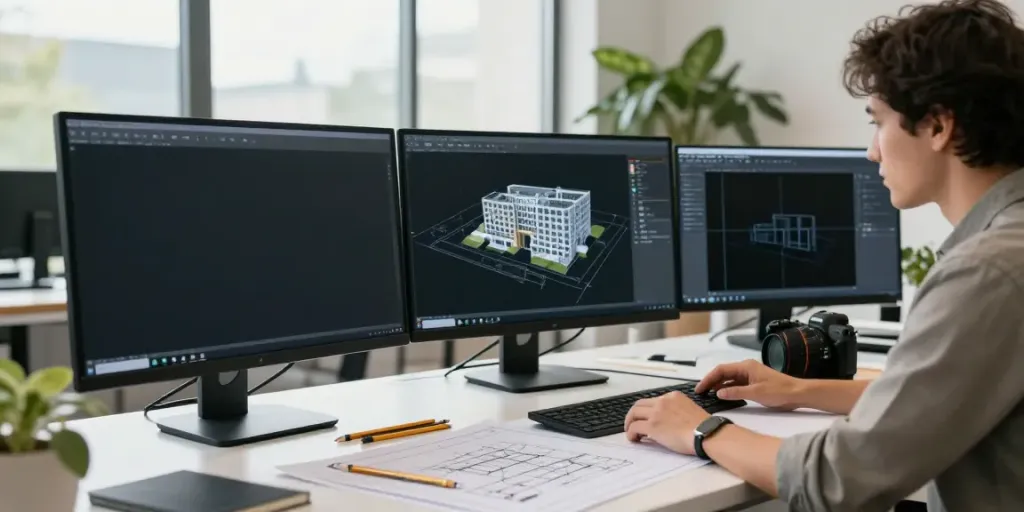
Understanding Freelance Architectural Drafting
Freelance architectural drafting has become an essential service in the architecture and construction industry. As structural and design projects grow increasingly complex, architects and firms turn to skilled freelance drafters to enhance productivity and efficiency. The need for high-quality drafting services has led to a diverse pool of professionals offering specialized skills in software like ArchiCAD and Revit. When exploring options, freelance architectural drafting can be a smart choice for those looking to outsource these essential tasks.
What is Freelance Architectural Drafting?
Freelance architectural drafting involves the provision of design and drafting services on a contract basis. Freelancers can work independently or as part of a collaborative team, providing architectural drawings and models that adhere to client specifications. These professionals are proficient in various software tools such as AutoCAD, Revit, and ArchiCAD, allowing them to create detailed architectural plans, elevations, and 3D models that assist in project visualization.
Benefits of Hiring Freelance Drafters
- Cost-Effectiveness: Hiring freelancers can significantly reduce overhead costs associated with full-time employees.
- Flexibility: Freelancers typically offer flexible schedules, allowing for project scaling based on immediate needs.
- Access to Expertise: By leveraging freelance drafters’ specialized skills, firms can obtain high-quality work tailored to their project requirements.
- Quick Turnaround: Experienced drafters can complete tasks more swiftly, helping to expedite project timelines.
Key Skills Required for Success
To thrive in freelance architectural drafting, drafters must possess a blend of technical abilities and soft skills:
- Proficiency in CAD Software: Mastery of industry-standard software tools is crucial for creating precise drawings and models.
- Attention to Detail: High accuracy in drafting is vital to avoid costly mistakes in construction.
- Understanding of Building Codes: Good knowledge of local building codes ensures compliance and enhances project viability.
- Communication Skills: Effective communication with clients and team members is essential for successful project outcomes.
Navigating Challenges in Freelance Drafting
While freelance architectural drafting offers numerous benefits, potential challenges must be recognized and addressed to ensure a successful partnership.
Common Misconceptions About Freelance Drafting
Many people perceive freelance drafting as a lower-quality alternative to in-house teams. However, this is often not the case. Skilled freelancers bring a wealth of experience and specialized knowledge to the table, frequently matching or exceeding the quality of full-time employees.
Addressing Quality and Consistency Issues
Quality control is a common concern when outsourcing drafting work. To mitigate this risk, firms should establish clear standards and guidelines for project submissions, and consider implementing a review process to ensure consistency and adherence to specifications.
Managing Client Expectations Effectively
Setting clear expectations regarding project timelines, budget constraints, and deliverables can reduce misunderstandings between clients and freelancers. Regular updates and communication also foster a collaborative environment, leading to more successful project outcomes.
Best Practices for Hiring Freelance Drafters
To ensure a successful partnership with freelance drafters, firms should implement best practices throughout the hiring process.
Where to Find Qualified Freelance Architectural Drafting Professionals
Several platforms connect clients with freelance drafters, including specialized job boards, social media groups, and professional networks such as LinkedIn. Exploring multiple avenues can help firms identify candidates with the right skills and experience.
Evaluating Portfolios and Skill Level
When hiring, it is crucial to assess the freelancer's portfolio to evaluate the quality and relevance of their past work. Look for projects that showcase their proficiency in your required software, as well as examples of similar projects they've completed.
Setting Up Effective Communication Channels
Establishing robust communication channels is vital for successful collaboration. Consider using project management tools and instant messaging platforms to streamline communication and ensure that everyone is aligned on project goals and progress.
Real-World Applications of Freelance Drafting Services
Freelance architectural drafting services find applications across various sectors, driving efficiencies in design and documentation processes.
Case Studies: Successful Projects Utilizing Freelance Drafters
Various projects have effectively utilized freelance drafters to enhance their design processes. For instance, a mid-sized architecture firm faced capacity issues during a peak period. By hiring a team of freelance drafters, they were able to meet project deadlines while maintaining quality standards, ultimately boosting client satisfaction and securing additional contracts.
Industries Benefiting from Freelance Drafting Services
Freelance architectural drafting is not limited to traditional architecture firms. Industries such as real estate development, construction management, and interior design have increasingly relied on freelance drafters to fulfill their project needs efficiently.
Future Trends in Freelance Architectural Drafting
As technology continues to evolve, so too will the landscape of freelance drafting. The integration of Virtual Reality (VR) and Augmented Reality (AR) into drafting processes may offer drafters enhanced capabilities for visualization, further enriching client presentations and facilitating more interactive design iterations.
Tools and Technologies in Freelance Architectural Drafting
The right tools can significantly enhance the productivity and effectiveness of freelance drafters. Here are some essential technologies in use today:
Essential Software for Freelance Drafters
- AutoCAD: A widely-used tool for 2D drafting and 3D modeling.
- Revit: Ideal for BIM projects, allowing for detailed building design and analysis.
- ArchiCAD: Known for its user-friendly interface, particularly for architectural modeling.
- SketchUp: Popular among drafters for 3D modeling, especially in early design phases.
Integrating BIM with Freelance Drafting
BIM (Building Information Modeling) has transformed architectural drafting by allowing for greater collaboration, accuracy, and efficiency. Freelance drafters skilled in BIM can leverage advanced features like conflict detection and better construction planning.
Comparison of CAD Tools: Revit vs. ArchiCAD
Both Revit and ArchiCAD offer powerful capabilities for architectural drafting, but they have unique strengths. Revit excels in creating comprehensive BIM models, while ArchiCAD is celebrated for its intuitive interface and ease of use in architectural design. Choosing between these tools often depends on specific project needs and personal preferences.