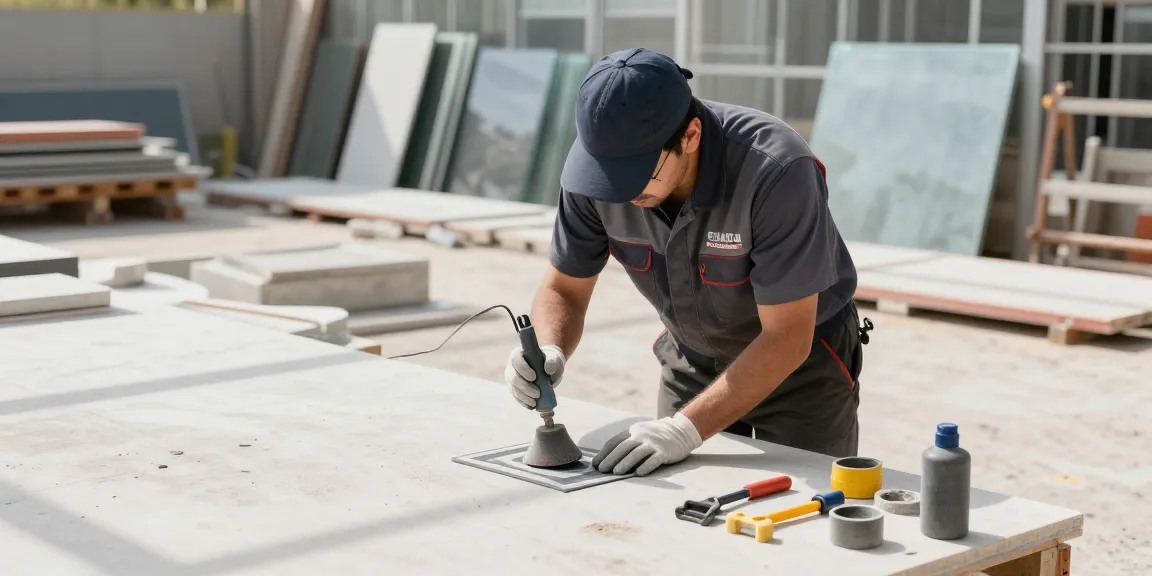
Understanding Rubber Stencils for Sandblasting
Rubber stencils have pioneered the art of sandblasting, providing precision and reliability to various projects that require accurate designs and patterns. The rubber stencil for sandblasting is designed to minimize errors and optimize workflow, making it an essential tool for both professionals and DIY enthusiasts. In this comprehensive guide, we will explore what rubber stencils are, their benefits, and how they significantly enhance design accuracy for your projects.
What Are Rubber Stencils?
Rubber stencils are production tools made from malleable synthetic rubber specifically designed for use in sandblasting applications. They come in various forms, sizes, and adhesive strengths to suit different materials and surfaces. The latest advancements in rubber stencil technology, like those found in the U-Blast 720 Series, feature improved flexibility and adhesion, making them ideal for both delicate surfaces and those requiring more robust treatment. These stencils are typically available in 10-yard rolls and are compatible with various machine feeding systems.
Benefits of Using Rubber Stencils
- Precision: Rubber stencils provide clean and sharp edges, ensuring that your designs are accurately replicated on the material.
- Durability: Made with high-quality synthetic rubber, these stencils withstand the rigors of sandblasting while maintaining their shape.
- Flexibility: The 720 series stencils are designed to adapt to various surfaces, ensuring that you can achieve the desired design without distortion.
- Easy Cleanup: The innovative designs help mitigate residue build-up, allowing for quicker and more efficient cleanup after sandblasting operations.
- Versatility: They can be used on a wide range of materials, including glass, tile, pretreated wood, and even rough stone.
How Rubber Stencils Improve Design Accuracy
One of the standout features of rubber stencils, especially the models in the 720 Series, is their ability to maintain cutting lines and assist in precise alignment. This is critical for achieving high-quality outcomes in projects where accuracy is paramount. By preventing design shifts during the blasting process with features like anti-shift mesh technology, stencils ensure that the finish aligns perfectly with the intended design specifications. This reduces the likelihood of costly errors and rework, ultimately saving time and money.
Choosing the Right Local Provider for Stenciling Services
Finding a reputable local provider for stenciling services is crucial for the success of your project. With numerous options available, it’s essential to evaluate potential providers based on their credentials and customer feedback. Quality matters especially when it comes to tools like rubber stencils. Below, we outline key factors to consider when selecting a local stencil provider.
Evaluating Local Stencil Providers
When searching for a reliable stencil provider, consider these evaluation criteria:
- Experience: Look for providers with a proven track record in the industry. Longevity often indicates reliability and an understanding of best practices.
- Range of Services: Ensure they offer a selection of stencil types and materials. This versatility allows you to choose options best suited to your project's specific needs.
- Customer Feedback: Reviews and testimonials from previous clients can give you insight into their level of service and product quality.
- Tailored Solutions: Check if they offer personalized consultations to help you choose the most suitable product for your project. A good provider will cater to your unique requirements.
Questions to Ask Your Professional Stencil Provider
Engaging potential providers with the right questions can help clarify their offerings and suitability for your project:
- What types of rubber stencils do you offer and what are their applications?
- Can you provide samples of your products for testing before a full order?
- What are your policies on returns and replacements for defective products?
- Are you able to accommodate rush orders if needed?
Checking Credentials and Reviews for Trustworthiness
Ensuring that your chosen provider is properly licensed and insured is vital. Verify their credentials by asking for proof of licensing, insurance, and any certifications relevant to the stenciling industry. Additionally, checking reviews across platforms like Google and Yelp can provide further assurance of their reliability and customer service standards.
Pricing Breakdown for Rubber Stencil Services
Understanding the cost structure is crucial when planning your budget for stenciling projects. Various factors influence the pricing of rubber stencil services, from material types to the complexity of the design required.
Cost Factors Influencing Stencil Pricing
- Material Quality: Higher-quality rubber can increase the cost but will often provide better durability and maintain design accuracy.
- Complexity of Design: Custom or intricate designs will typically require more time and resources to produce.
- Provider's Expertise: Experienced providers may charge a premium but can offer considerable value through consistent quality and service.
- Order Size: Smaller orders may incur higher per-unit costs compared to bulk orders due to setup and production time.
Average Costs in 2026 for Sandblasting Services
The average cost for sandblasting services using rubber stencils in 2026 varies widely based on several factors but generally falls within these ranges:
Service TypePrice RangeBasic Stenciling (per square foot)$5 - $10Complex or Custom Designs (per square foot)$10 - $20Additional Services (cleaning, additional stencils)Varies
Hidden Costs to Consider When Choosing Stenciling Options
Be aware of potential hidden costs that may impact your overall budget:
- Shipping Fees: If you’re ordering stencils online, remember to include shipping costs, which can add up.
- Setup Fees: Some providers may charge fees for setting up custom designs.
- Waste and Leftover Materials: Planning for possible waste during the sandblasting process can help prevent unexpected expenses.
Licensing and Insurance: Ensuring Quality and Compliance
Licensing and insurance are vital aspects to consider when hiring local stencil providers. These factors not only protect you as a consumer but also ensure that the services you receive meet local and industry standards.
Why Licensing Matters in the Stenciling Industry
Licensing indicates that a stencil provider has met certain industry standards and complies with local regulations. A licensed provider is more likely to follow best practices in their work, reducing errors and ensuring quality outcomes for your sandblasting projects.
Verifying Insurance Coverage for Local Stencil Providers
Always ask providers for proof of insurance coverage before you begin your project. Insurance protects you financially in the event of accidents, damage, or other unforeseen issues during the sandblasting process.
The Importance of Compliance with Local Regulations
Local regulations regarding materials and safety can impact the type and quality of stencil services available. Be sure to choose providers familiar with these regulations to ensure compliance and avoid potential fines or legal issues.
Common Questions About Rubber Stencils for Sandblasting
As you consider incorporating rubber stencils into your sandblasting projects, you may have some common questions that need answering. Here we address a few of these inquiries:
What Surfaces Are Suitable for Rubber Stencils?
Rubber stencils can be used effectively on various surfaces, including:
- Smooth surfaces like glass and polished wood
- Textured materials such as rough stone and masonry
- Pre-treated boards where adhesion quality is critical
How Do I Prepare My Surface for Stenciling?
To prepare your surface, follow these guidelines:
- Ensure that the surface is clean and free of dust, grease, or moisture.
- If necessary, sand the surface to enhance bonding for better adhesion of the stencil.
- Apply a suitable primer if working with porous materials like wood.
Can I Use a Rubber Stencil for DIY Projects?
Absolutely! Rubber stencils are user-friendly and can be effectively used for DIY projects. With the right preparation and precautions, enthusiasts of all skill levels can achieve professional-quality results in their work.