Introduction to the Manaslu Trek and its Unique Challenges
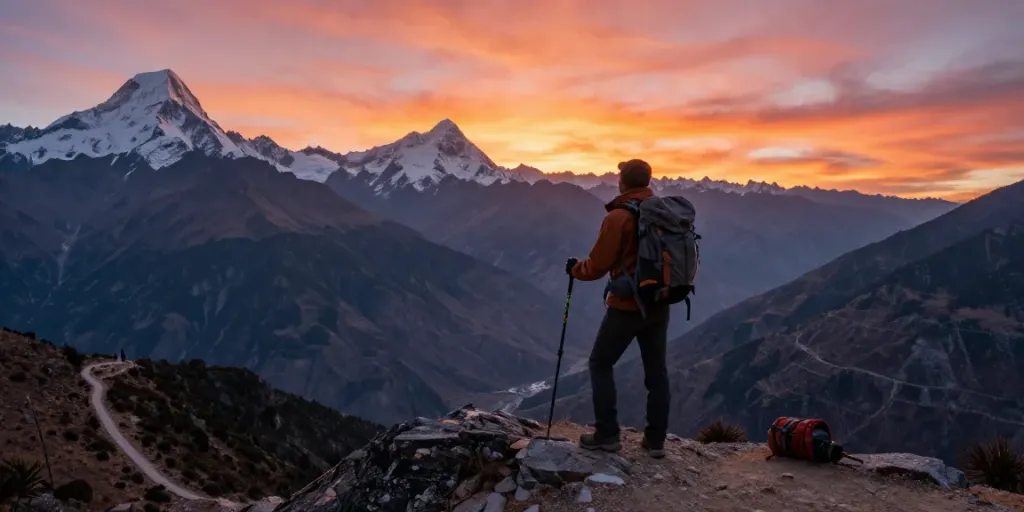
The Manaslu Trek stands as one of the most exhilarating adventures in the Himalayas, attracting trekkers looking for a blend of stunning landscapes and rich cultural experiences. Nestled in the Gorkha region of Nepal, this trek takes you around the majestic Mount Manaslu, the world’s eighth-highest peak. Spanning 15 days, the trek covers diverse terrain ranging from lush subtropical forests to stark alpine meadows, all while providing breathtaking vistas of towering mountains. However, with such beauty comes its share of challenges—high altitudes, unpredictable weather patterns, and the raw nature of the trails necessitate a high level of preparation and awareness for trekkers.
Overview of the Manaslu Trek
The Manaslu Circuit Trek is a famed route known for its spectacular views, remote villages, and cultural diversity. Unlike the more crowded Annapurna Circuit, the Manaslu trek promises an isolated experience where trekkers can enjoy the pristine natural beauty and observe traditional Tibetan culture. The trek generally begins in the village of Machha Khola and winds through various charming settlements such as Jagat, Namrung, Lho, and Samagaon. It culminates at the Larkya La Pass (5,160 m), providing a panoramic view that will leave trekkers spellbound.
Why Choose Manaslu Trek in 2026?
2026 emerges as a significant year for trekking enthusiasts, with the Manaslu Circuit offering an unparalleled adventure and opportunities for cultural immersion. As travel restrictions ease and global interest in Nepal's hidden gems grows, this trek is poised to become more popular. Trekkers will find the trails relatively less crowded compared to other routes, making it an ideal choice for those seeking solitude amidst nature. Moreover, the combination of thrilling ascents and cultural encounters with local communities makes the Manaslu trek a compelling option for both seasoned adventurers and newcomers alike.
Common Risks and Dangers on the Manaslu Trek
While the allure of the Manaslu Trek is undeniable, it’s crucial to acknowledge the inherent risks involved. High altitude poses serious threats, including Acute Mountain Sickness (AMS), which can affect trekkers at elevations above 2,500m. Furthermore, unpredictable weather shifts can lead to sudden temperature drops and precipitation, making the trek potentially hazardous. Adequate preparation, understanding of the environment, and personal fitness are vital to mitigate these risks and enhance the overall trekking experience.
Preparing for the Manaslu Trek: Essential Tips
To embark on the Manaslu trek, thorough preparation is key. Trekkers must focus on physical training, understanding the necessary gear, and acclimatization techniques to ensure a safe and enjoyable journey.
Physical Fitness Requirements for the Manaslu Circuit
A good level of physical fitness is fundamental for successfully completing the Manaslu Circuit. The trek involves long days of hiking, often ranging from 5 to 8 hours, with steep ascents and descents. Trekking organizations recommend engaging in cardio exercises, strength training, and practice hikes with a loaded backpack to build endurance and strength before the trek.
Acclimatization Strategies for High Altitudes
To reduce the risk of altitude sickness, proper acclimatization strategies must be employed. Trekkers should aim to ascend slowly, allowing their bodies time to adjust to the decreasing oxygen levels. Spending additional days at key points, like Samagaon, can help with acclimatization. Staying hydrated and maintaining a balanced diet rich in carbohydrates also plays a crucial role in the acclimatization process. Recognizing the signs of AMS and knowing when to descend are critical to ensuring safety at high altitudes.
Packing the Right Gear for Manaslu Trek
A well-thought-out packing list is essential for the Manaslu Trek, where trekkers should prioritize thermal layers, trekking shoes with good ankle support, and other essentials such as trekking poles, sleeping bags rated for cold temperatures, and hydration systems. These items not only enhance comfort during the trek but also play a significant role in safety and overall well-being.
Understanding Altitude Sickness on the Manaslu Trek
Altitude sickness is a considerable concern for trekkers heading towards high elevations like those encountered on the Manaslu trek.
Recognizing Symptoms of Acute Mountain Sickness
It is crucial for trekkers to be aware of the symptoms of Acute Mountain Sickness (AMS) which can include headaches, nausea, dizziness, and sleep disturbances. Early recognition of these symptoms allows for timely intervention, which can often mean the difference between a safe trek and a potentially dangerous situation.
Prevention Techniques for Altitude Sickness
To prevent AMS, trekkers should follow an gradual ascent strategy, avoid alcohol, stay hydrated, and consume high-carb meals. It is important to utilize acclimatization days effectively and listen to one's body to avoid pushing beyond safe limits.
What to Do if You Experience AMS
If symptoms of AMS manifest, descending to a lower altitude is the first step towards recovery. Resting, hydrating, and consuming easily digestible foods are essential. In severe cases, medical attention may be necessary, so being aware of evacuation routes and communicating with your guide is crucial.
Navigating the Terrain and Weather Conditions
The terrain and weather conditions on the Manaslu trek can greatly influence the trekking experience.
Typical Weather Patterns on the Manaslu Trek
The weather on the Manaslu trek varies significantly with altitude and seasonal changes. Trekkers can expect clear, sunny weather during the trekking seasons of spring and autumn, though temperatures can drop sharply at night. Knowledge of weather patterns can assist trekkers in planning their daily itineraries effectively.
Adapting to Changing Trail Conditions
Trails can vary from well-maintained paths to rugged, rocky terrains. Being adaptable and prepared for sudden changes in trail conditions, especially after rainfall, is essential. Proper footwear and caution while navigating tricky sections can minimize the risk of injury.
Safety Tips for Trekking in Unpredictable Weather
Carrying waterproof gear and dressing in layers allows trekkers to adapt to sudden weather changes. Regularly checking weather forecasts and being prepared to alter plans when conditions worsen can improve safety and enhance the trekking experience.
Conclusion and Final Considerations for Trekkers
The Manaslu Trek offers an extraordinary opportunity to experience the Himalayas in a less commercialized environment, yet it demands a high level of preparation and respect for nature's challenges. By understanding the physical requirements, preparing for altitude sickness, and being adaptable to changing weather conditions, trekkers can enjoy a rewarding journey.
Evaluating Tour Operators for a Safe Trek
Choosing a reputable trekking company is crucial for ensuring safety and enriching the trekking experience. Researching operators’ credentials, reading reviews, and understanding their safety protocols will help in making an informed decision.
Best Times to Undertake the Manaslu Trek
Spring (March to May) and autumn (September to November) are considered the best times for the Manaslu Trek, offering ideal weather and stunning scenery. Trekkers should aim to book their journeys accordingly to make the most of these seasons.
FAQs about the Manaslu Trek Experience
What is the best time of year for the Manaslu Trek?
The best time frames are during the spring and autumn seasons for stable weather and stunning views.
Do I need a guide for the Manaslu Trek?
Yes, a licensed guide is mandatory due to the trek falling under a restricted area.
What should I do if I feel unwell during the trek?
Communicate your symptoms with your guide immediately, and be ready to descend to lower elevations if necessary.
Are there cultural considerations to keep in mind?
Respect local customs, particularly in Tibetan culture, and be mindful of your behavior and attire.
What type of accommodation can I expect on the trek?
Accommodations typically include teahouses offering basic facilities, with options for shared or dormitory-style rooms in higher elevations.