Understanding Ceramic Radiators
Ceramic radiators are rapidly becoming a focal point in the landscape of modern heating solutions, providing an efficient and effective way to maintain warmth in various environments. Unlike traditional heating systems, these innovative products utilize a ceramic core to store and gradually release heat, ensuring that energy is used efficiently and effectively. When exploring options, ceramic radiator technology provides comprehensive insights into how you can transform your heating experience.
What is a Ceramic Core Radiator?
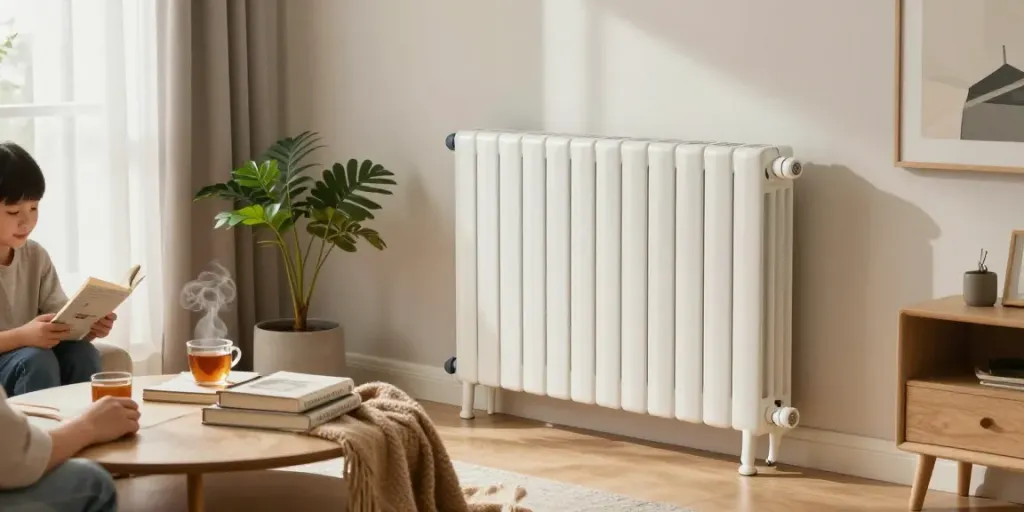
A ceramic core radiator is a type of electric radiator that features a high-density ceramic core designed for superior heat retention. Rather than relying solely on the convection of warm air, these radiators absorb heat from an electrical heating element, maintaining warmth long after the power has been switched off. This unique capability makes ceramic core radiators an intriguing option for those looking for an efficient heating solution that also provides comfort and control.
How Do Ceramic Radiators Work?
The fundamental working principle of ceramic radiators lies in the concept of resistive heating. When electricity flows through the resistive heating elements made from advanced ceramic materials, it generates heat through molecular interactions within the core. This heat is then absorbed and gradually released, which allows the radiator to maintain a consistent temperature throughout the space without the inefficiencies commonly associated with traditional heating systems.
Benefits of Choosing Ceramic Radiators
- Energy Efficiency: Ceramic radiators convert nearly all the electrical energy they consume into heat, leading to lower electricity bills.
- Heat Retention: Their ability to store heat enables them to provide warmth even after being turned off, enhancing comfort and reducing energy usage.
- Quiet Operation: Many ceramic models operate silently, making them ideal for bedrooms and study areas where noise levels need to be minimized.
- Minimal Maintenance: With no fluids or moving parts, ceramic radiators are largely maintenance-free.
Comparative Analysis: Ceramic Radiators vs. Alternatives
Understanding how ceramic radiators stack up against alternatives is crucial for making an informed purchasing decision. With options such as oil-filled and traditional electric heaters available, it’s essential to assess their efficiencies and efficiencies accurately.
Ceramic Radiators vs. Oil-Filled Radiators
Ceramic radiators and oil-filled radiators both utilize electricity to generate heat; however, their methods of heat retention differ significantly. While oil-filled radiators use thermal oil to retain heat, ceramic radiators rely on the thermal inertia of solid ceramic materials. This leads to ceramic radiators heating up more quickly and releasing warmth longer after being switched off, which can translate to savings in energy costs over time.
Ceramic Radiators vs. Traditional Electric Heaters
Traditional electric heaters often rely on convection and do not have the same heat-retaining properties as ceramic units. While they may provide instant warmth, they can be less efficient at maintaining a consistent temperature, causing them to operate longer than necessary. In contrast, ceramic radiators’ ability to store heat means they often use less electricity to maintain comfort levels, particularly in well-insulated spaces.
Advantages of Ceramic Heating Technology
The ceramic heating technology itself offers several noteworthy advantages. These include precise temperature regulation due to advanced thermostats, the ability to connect with smart home systems for remote control, and features like eco modes that enhance energy efficiency. These innovations make ceramic radiators not only practical but also a forward-thinking choice for modern households.
Cost Efficiency of Ceramic Radiators
Evaluating the cost efficiency of ceramic radiators is essential for any potential buyer. While initial costs may vary, understanding how these units operate economically can be pivotal to long-term savings.
Are Ceramic Radiators Cheap to Run?
In general terms, ceramic radiators are cheaper to run compared to traditional heating solutions. They convert nearly 100% of the electricity they consume into heat and retain that heat for longer periods, making them efficient for both short and extended heating sessions. The ability to manage heat without constant power draws can lead to reduced operating costs, especially in environments where heat is needed sporadically.
Understanding Energy Efficiency Metrics
Energy efficiency metrics play an essential role in evaluating the performance of ceramic radiators. These units can be assessed by their energy output relative to power consumption, maintenance costs, and potential electricity savings over time. Metrics such as wattage, programmable settings, and precise thermostatic control can help determine the overall energy usage and effectiveness of the heating solution.
Cost-Benefit Analysis of Installation
When considering installation costs, ceramic radiators offer a straightforward solution. Unlike traditional heating systems that require extensive plumbing and installation, ceramic radiators can typically be installed by the homeowner with minimal effort. This ease of installation contributes to faster ROI, as users can start benefitting from energy savings immediately.
Choosing the Right Ceramic Radiator
Selecting the appropriate ceramic radiator for your needs involves considering several factors. With a variety of models available, understanding key aspects can ensure you make the right choice for your space.
Factors to Consider When Buying
- Room Size: The radiator's wattage should align with the size of the room you wish to heat:
- Heating Needs: Determine whether you need an instant heating solution or a model that retains heat for longer periods.
- Smart Features: Consider models with programmable settings and smart technology for added convenience.
Different Types of Ceramic Heaters
Ceramic heaters come in various forms, each with its unique benefits. Options include:
- Freestanding Units: Portable and easy to move, these are ideal for adaptable heating solutions.
- Wall-Mounted Models: Perfect for space-saving installations, they provide consistent heating without occupying floor space.
- Ceramic Panel Heaters: Slim and stylish, these are often selected for modern interiors.
- Ceramic Fan Heaters: Equipped with a fan for immediate warmth, they offer rapid heat distribution in larger areas.
How to Assess Heat Output Needs
Assessing the right heat output for your space involves evaluating several factors, including insulation quality, ceiling height, and window size. These variables can greatly influence the efficiency and comfort level of your heating solution. Consulting an energy efficiency specialist may provide personalized insights tailored to your home.
Installation and Safety Tips for Ceramic Radiators
Appropriate installation and safety measures are crucial for maximizing the benefits of ceramic radiators. Whether choosing a DIY approach or hiring a professional, understanding best practices can ensure efficient operation.
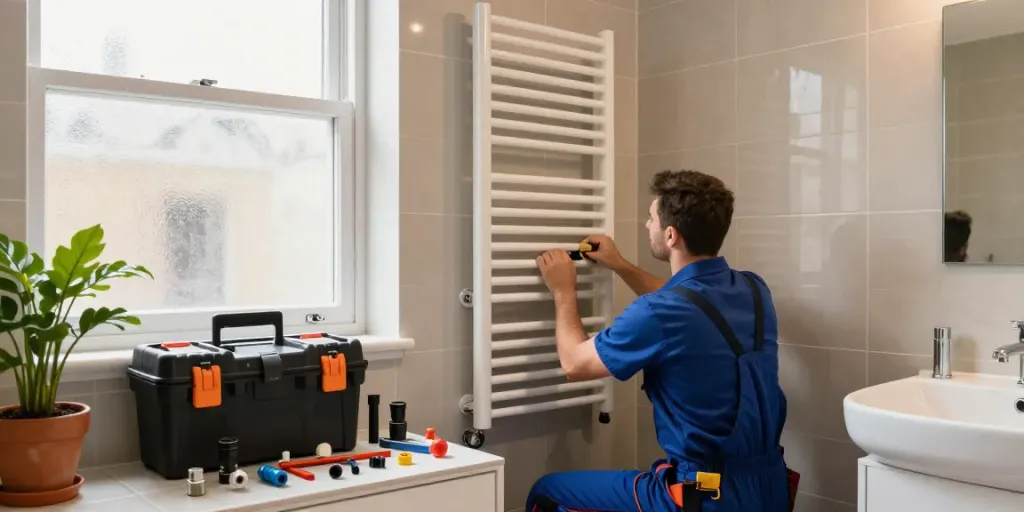
Do-It-Yourself vs. Professional Installation
For many ceramic radiator models, DIY installation is an accessible option. However, ensuring compliance with safety regulations is vital. If you are uncertain, seeking professional assistance can provide peace of mind and guarantee proper setup.
Safety Precautions for Home Use
Safety is paramount when using any heating device. Follow these precautions:
- Keep the area around the radiator clear of flammable materials.
- Ensure proper electrical connections to avoid overheating.
- Follow the manufacturer's guidelines for installation and operation.
Maintenance Tips for Longevity
While ceramic radiators require minimal maintenance, performing regular checks can prolong their lifespan:
- Inspect the unit for dust accumulation and clean as necessary.
- Ensure the electrical connections are secure and free from any damage.
- Review user manuals for any specific recommendations regarding servicing or checks.